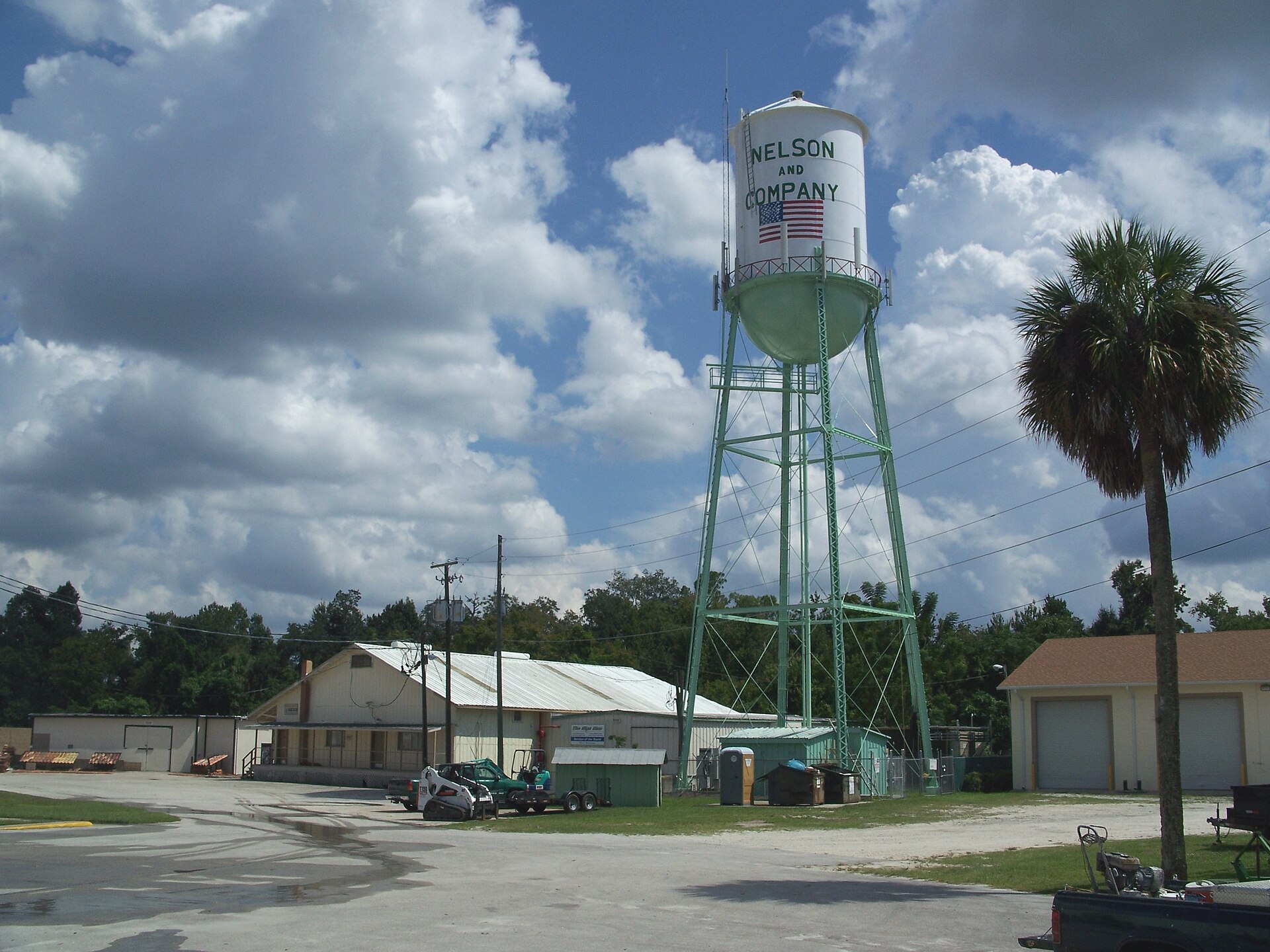
Drive down Broadway past the water tower and you’ll pass a long, plain packing house with “Nelson & Co.” painted on the side. It’s easy to miss. It’s also the best reason Oviedo exists in the shape it does today.
Before celery, there was citrus
After the Civil War, about 40 families settled along the south shore of Lake Jesup, among them freed slaves and European immigrants. It was known as the Lake Jesup Settlement, and for a while as Solary’s Wharf. Dr. Henry Foster planted citrus and ran a steamboat company on the lake.
The name came in 1879. Andrew Aulin Sr., the Swedish-born postmaster, registered the post office as “Oviedo” on March 13 of that year, after the city in northern Spain. In 1887 the South Florida Railroad built a depot. The town had roughly 50 residents.
The freeze that changed the crop
The Great Freeze of 1894–95 killed the groves across Central Florida. Oviedo’s farmers needed something that would grow fast in the rich, black muck soil around Black Hammock, north of town toward the lake. They chose celery.
It worked. At its height the Oviedo area shipped roughly a fifth of the nation’s celery, and the town started calling itself the Celery Capital of the World. The railroad carried it north, and the packing houses along Broadway and Station Street kept it cold on the way.
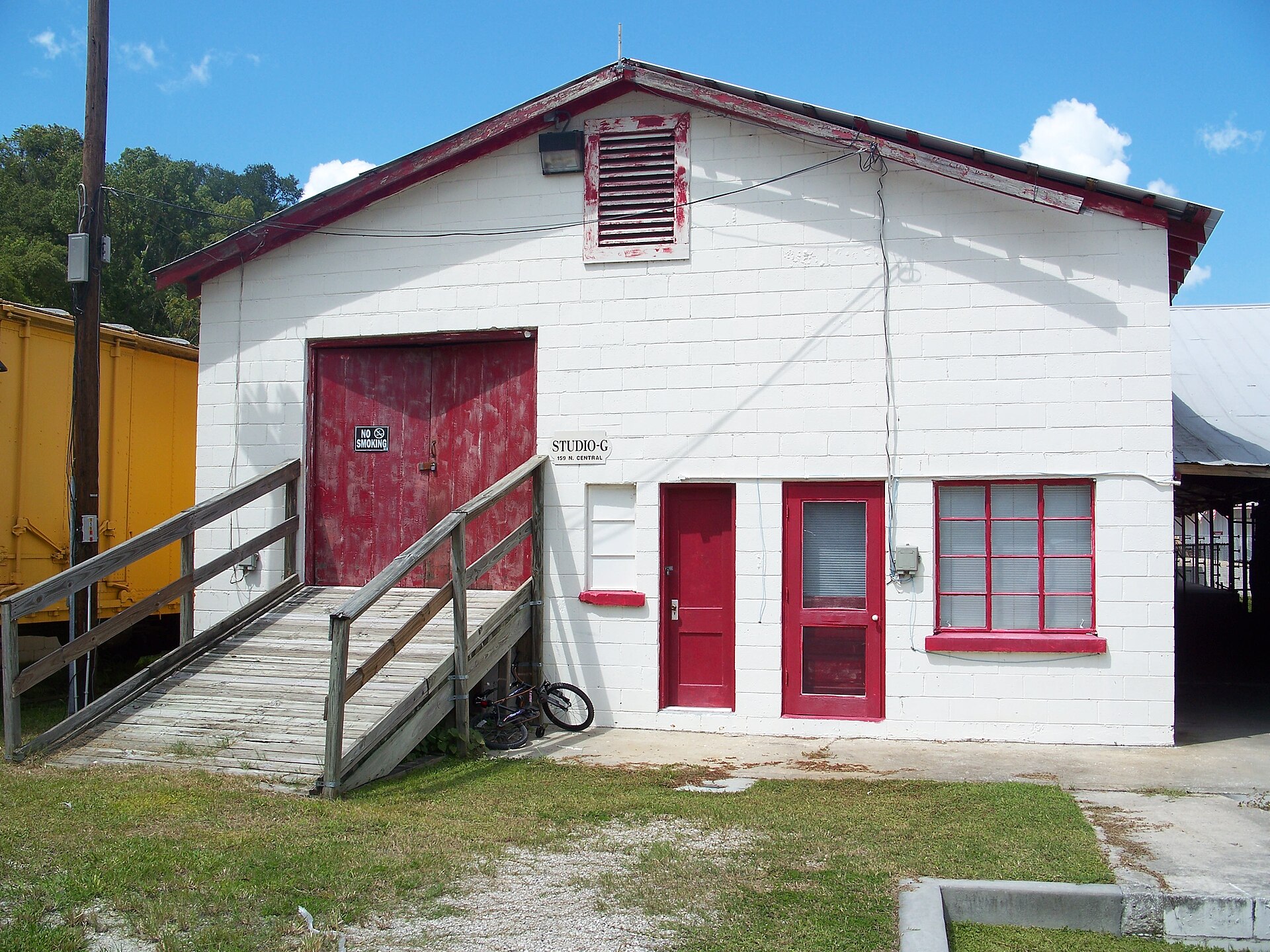
The R. W. Estes Celery Company precooler, part of its own historic district in Oviedo. Photo: Ebyabe, CC BY 2.5, via Wikimedia Commons.
Slavia and the Duda family
In 1911, Slovak Lutherans from Cleveland formed the Slavia Colony Company just south of Oviedo, and founded St. Luke’s Lutheran the next year. One of the co-founders, Andrew Duda, planted his first cash crop of celery in 1926. That was the start of A. Duda & Sons, which is still headquartered in Oviedo on Dovera Drive.
From farm town to suburb
Oviedo was incorporated as a town in 1925 with about 800 people, and became a city by referendum in 1967. The next year Florida Technological University opened just south of town with 1,948 students. It’s now UCF, and its growth, along with the Central Florida Research Park, is what turned the celery town into the suburb you know.
The Nelson & Company packing house kept working into the 1980s. In 2001 the Nelson and Company Historic District, covering 110–166 E. Broadway and 30–110 Station Street, was added to the National Register of Historic Places.
Where to see it today
- The Nelson & Company packing house on E. Broadway, downtown. You can see it from the street.
- The Lawton House at 200 W. Broadway, an 1890 home that the Oviedo Historical Society runs as a museum. It’s also where the monthly farmers market sets up.
- The historic marker on the Cross Seminole Trail, which tells the town’s story in a few paragraphs, if you’d rather read it on a bike ride.
Look closely at the “Greetings from Oviedo” mural at Oviedo on the Park and you’ll find celery in it. The town hasn’t forgotten.